More than fifty years ago, ACTS began by providing essential food and shelter, establishing Prince William County’s first food bank and a furniture distribution system, and developing homeless shelters. Today, we offer a range of services including the Hunger Prevention Center, utility assistance, and permanent housing. Our programs also address domestic violence, sexual abuse, and supported by a 24-hour anonymous crisis line. We educate the community on these issues and serve over 70,000 individuals annually, including 12,000 children.
ACTS fosters hope, provides relief, and promotes
self-sufficiency for our Prince William area neighbors in crisis.
ACTS is creating a community where no one goes without or suffers alone.
ACTS is an integral part of our COMMUNITY, delivering SERVICE with COMPASSION and RESPECT; EMPOWERING our neighbors in crisis.
ACTS (Action in Community Through Service) began its mission on January 20, 1969, as a collaborative effort by 13 local churches in Prince William County. These congregations came together to address the pressing needs of their community by providing essential services such as food and furniture to those in crisis. This grassroots initiative laid the foundation for what would become a vital community resource. Over the years, ACTS has grown significantly, expanding its services to include emergency assistance, housing support, crisis helplines, and programs for victims of domestic violence and sexual assault. Despite its growth, ACTS remains deeply rooted in its original mission of compassion and service.
In 1970, ACTS (Action in Community Through Service) expanded its mission to include emergency services, solidifying its role as a lifeline for those in crisis. Initially established through the partnership of 13 local churches in Prince William County, ACTS began by providing essential items like food and furniture to those in need. Recognizing the growing challenges faced by vulnerable community members, the organization introduced emergency assistance programs to address critical needs such as housing, utility support, and crisis intervention. This pivotal development marked the beginning of ACTS’ transformation into a comprehensive service provider, while staying true to its founding values of compassion and collaboration.
In 1971, ACTS (Action in Community Through Service) expanded its outreach by opening a daycare center to support families in Prince William County. This initiative was a natural extension of ACTS’ mission to provide holistic assistance to those in need, particularly working parents struggling to find reliable and affordable childcare. The daycare offered a safe and nurturing environment for children, enabling parents to pursue employment or education opportunities without the added worry of childcare. This program underscored ACTS’ commitment to empowering families, fostering stability, and breaking the cycle of poverty through practical, community-driven solutions.
In 1972, ACTS (Action in Community Through Service) reached a pivotal moment in its history by obtaining 501(c)(3) nonprofit status. This designation formally recognized ACTS as a charitable organization, allowing it to receive tax-deductible donations and access additional funding opportunities to support its growing mission. With this milestone, ACTS was able to strengthen its programs, such as emergency services, food and furniture assistance, and the newly established daycare. The 501(c)(3) status marked the beginning of a new era for ACTS, enabling it to expand its impact and build lasting partnerships with donors, community organizations, and government agencies, all while continuing to serve those in need with compassion and care.
In 1975, ACTS (Action in Community Through Service) became a partner agency of the United Way of the National Capital Area, marking a significant milestone in its growth and development. This partnership provided ACTS with crucial funding, increased visibility, and access to a broader network of resources to support its mission of helping individuals and families in crisis. As a United Way agency, ACTS was able to expand its programs, including emergency assistance, food and furniture distribution, and crisis services, while fostering collaboration with other organizations in the region. This affiliation strengthened ACTS’ ability to serve the community, ensuring it could meet the growing needs of vulnerable populations and continue its legacy of compassion and care.
In 1976, ACTS expanded its mission of community service by establishing a Behavioral Intervention Program. This initiative marked a significant step in addressing the growing need for mental health and behavioral support within the community. Building on its foundation of providing emergency assistance, housing services, food aid, and crisis support, ACTS incorporated specialized services to assist individuals facing behavioral challenges. By integrating this program, ACTS demonstrated its commitment to holistic care, ensuring that the diverse needs of the populations it serves—over 65,700 unduplicated individuals in the last fiscal year alone—are met with compassion and comprehensive support.
In 1979, the same year it was founded, ACTS (Action in Community Through Service) took a bold step in addressing the needs of the community by opening both a homeless shelter and a thrift store. The homeless shelter provided a safe haven for individuals and families experiencing homelessness, offering them stability and support during times of crisis. The thrift store served as both a resource for low-cost goods and a means of funding ACTS’ programs, with proceeds helping to sustain its growing range of services. These initiatives demonstrated ACTS’ holistic approach to community service, combining immediate assistance with sustainable solutions to uplift those in need.
In 1980, ACTS (Action in Community Through Service) took a transformative step in supporting survivors of domestic violence by launching its Turning Points program. This groundbreaking initiative was designed to provide comprehensive services for individuals affected by domestic violence, including emergency shelter, counseling, advocacy, and safety planning. Turning Points created a safe space where survivors could begin to heal, regain their independence, and rebuild their lives free from abuse. The program also worked to raise awareness about domestic violence within the community and promote prevention through education and outreach. By introducing Turning Points, ACTS reaffirmed its commitment to addressing the root causes of crisis and empowering vulnerable individuals to find hope and stability.
In 1981, ACTS (Action in Community Through Service) relocated its thrift store to a new, larger location to better serve the community and support its expanding programs. The move allowed the store to offer a wider selection of affordable goods, including clothing, furniture, and household items, to individuals and families in need. It also increased the store’s capacity to generate revenue, which directly funded ACTS’ critical services, such as emergency assistance, food programs, and shelter support. The new location became a vital hub for both shoppers seeking low-cost necessities and donors looking to contribute to ACTS’ mission. This transition marked an important step in strengthening ACTS’ ability to uplift and empower the community.
In 1982, ACTS (Action in Community Through Service) expanded its impact by opening a second daycare center and launching a 24/7 helpline to address critical needs in the community. The new daycare provided working parents with additional access to affordable childcare, creating a stable and nurturing environment for their children. Simultaneously, the introduction of the 24/7 helpline offered immediate support for individuals facing crises, including emergencies related to domestic violence, homelessness, and mental health. These initiatives highlighted ACTS’ dedication to meeting the community’s evolving needs with compassion and accessibility, reinforcing its role as a trusted source of support and a lifeline for those in distress.
In 1986, ACTS (Action in Community Through Service) expanded its thrift store operations by opening new locations in Woodbridge and Dumfries. These stores provided affordable clothing, furniture, and household items to community members, while also generating vital revenue to support ACTS’ growing programs, including emergency assistance, food distribution, and shelter services. The additional locations made ACTS’ services more accessible across Prince William County, creating new opportunities for the community to engage, whether by shopping, donating, or volunteering. By broadening its thrift store network, ACTS reinforced its commitment to serving those in need while fostering sustainability and self-reliance within the organization.
In 1987, ACTS (Action in Community Through Service) launched its Transitional Living Program, providing a crucial bridge for individuals and families moving from crisis to stability. This program was designed to offer safe, temporary housing paired with comprehensive support services such as counseling, job training, and life skills development. The goal was to empower participants to achieve self-sufficiency and secure permanent housing. By addressing the root causes of instability, the Transitional Living Program became a vital part of ACTS’ mission to break the cycle of poverty and homelessness. This initiative underscored ACTS’ dedication to creating long-term, sustainable solutions for vulnerable members of the community.
In 1992, ACTS (Action in Community Through Service) introduced the Surviving After Suicide program to support individuals and families coping with the loss of a loved one to suicide. Recognizing the unique and profound grief experienced by survivors, this program provided a safe and compassionate space for healing through peer support groups, counseling, and community resources. Surviving After Suicide aimed to help participants process their emotions, reduce isolation, and find hope amidst their loss. This initiative demonstrated ACTS’ commitment to addressing mental health challenges and supporting the community through holistic, trauma-informed care, fostering resilience and understanding for those navigating life after tragedy.
In 1997, ACTS (Action in Community Through Service) opened its new administrative office on ACTS Lane, providing a centralized location for the organization’s growing operations. This office allowed for more efficient coordination of ACTS' expanding services, including emergency assistance, housing support, and domestic violence programs. The relocation to ACTS Lane also symbolized the organization's continued growth and strengthened its presence within the community. With improved office space, ACTS was better equipped to serve the increasing number of individuals and families in need, while also enhancing its ability to collaborate with partners and donors to fulfill its mission of support and empowerment.
In 2001, ACTS (Action in Community Through Service) made a significant advancement in its mission to support survivors of domestic violence by purchasing the West Safe House. This acquisition allowed ACTS to expand its Turning Points program, offering a secure and confidential environment for individuals and families fleeing abuse. The West Safe House provided immediate shelter, crisis intervention, and access to essential services such as counseling, legal advocacy, and case management. With this new facility, ACTS was able to enhance its capacity to support survivors, helping them regain stability, rebuild their lives, and break the cycle of violence. This purchase marked a crucial step in strengthening ACTS' ability to serve the community and provide life-changing resources to those in need.
In 2003, ACTS (Action in Community Through Service) officially opened the West Safe House, a vital resource for survivors of domestic violence. This safe house provided a secure and confidential environment where individuals and families fleeing abusive situations could find immediate shelter, emotional support, and access to a wide range of services. The West Safe House became an integral part of ACTS’ Turning Points program, offering not only a safe refuge but also counseling, case management, legal advocacy, and other resources designed to help survivors rebuild their lives. This new facility strengthened ACTS’ ability to meet the growing demand for domestic violence services, ensuring that more individuals could escape violence and begin the journey toward healing and independence.
In 2005, ACTS (Action in Community Through Service) launched the Senior Link program to address the unique needs of older adults in the community. This program was designed to support seniors by providing assistance with daily tasks, such as transportation, grocery shopping, and household chores, helping them maintain their independence and quality of life. Senior Link also connected participants with critical resources, including social services, healthcare, and emergency assistance, to ensure they had the support they needed to age with dignity. By starting this program, ACTS expanded its mission to include services tailored specifically to the elderly, fostering a more inclusive community where seniors could remain safe, healthy, and connected.
In 2007, ACTS (Action in Community Through Service) opened the East Safe House, further expanding its capacity to support survivors of domestic violence. This new facility provided a secure, confidential refuge for individuals and families fleeing abusive situations in the eastern part of Prince William County. The East Safe House became an integral part of ACTS’ Turning Points program, offering not only emergency shelter but also access to critical services such as counseling, legal advocacy, and case management. By opening this additional safe house, ACTS was able to serve a broader community, ensuring that survivors had a safe space to heal, rebuild their lives, and break free from the cycle of violence.
In 2008, ACTS (Action in Community Through Service) built the Family Service Center, a dedicated facility designed to provide a wide range of support services to individuals and families in need. This center became a vital hub for ACTS’ programs, offering emergency assistance, food distribution, housing support, and case management all under one roof. The Family Service Center was designed to streamline access to resources, ensuring that clients could receive the comprehensive support they needed in a welcoming and centralized location. By opening this center, ACTS strengthened its ability to serve the growing needs of the community, empowering families to overcome challenges and work toward long-term stability.
In 2010, ACTS (Action in Community Through Service) made a significant investment in affordable housing by purchasing two townhouses to provide stable, affordable living options for families in need. These townhouses became a key part of ACTS’ commitment to addressing homelessness and housing insecurity in the community. By offering safe and affordable housing, ACTS helped families regain their independence and build a foundation for long-term success. The townhouses provided more than just shelter—they offered the opportunity for families to stabilize their lives, access supportive services, and work toward self-sufficiency. This acquisition marked another important step in ACTS’ mission to provide comprehensive support and resources for vulnerable community members.
In 2012, ACTS (Action in Community Through Service) launched its Loss Team, a specialized program designed to support individuals and families coping with grief and loss. The Loss Team provided compassionate care and guidance for those dealing with the emotional challenges of losing a loved one, whether through death, separation, or other traumatic events. The program offered counseling, support groups, and resources to help participants navigate their grief and begin the healing process. By introducing the Loss Team, ACTS expanded its services to address the emotional and mental health needs of the community, ensuring that individuals facing loss received the support and empathy needed to rebuild their lives.
In 2013, ACTS (Action in Community Through Service) expanded its support services by starting a dedicated Sexual Assault Services program to assist survivors of sexual violence. This program provided critical resources such as counseling, advocacy, legal support, and crisis intervention for individuals affected by sexual assault. The services aimed to empower survivors by offering them a safe, confidential space to heal and navigate the often overwhelming legal and emotional challenges that follow an assault. By launching this program, ACTS took a crucial step in addressing sexual violence within the community, ensuring that survivors received the care, dignity, and support they needed to regain control of their lives and pursue justice.
In 2015, ACTS (Action in Community Through Service) opened the Women's Empowerment Center, a dedicated space focused on supporting women in overcoming challenges and building self-sufficiency. The center offered a variety of services, including job training, financial literacy workshops, counseling, and support groups, all designed to empower women to achieve independence and break free from cycles of poverty and abuse. By providing resources and a safe community for women to learn, grow, and thrive, the Women's Empowerment Center became a cornerstone of ACTS' efforts to promote gender equality and create lasting change in the lives of women in the community. The center played a vital role in helping women regain confidence, secure stable employment, and build stronger, healthier futures for themselves and their families.
In 2016, ACTS (Action in Community Through Service) expanded its reach by opening a new office in Manassas, further strengthening its ability to serve the community in Prince William County. This new office provided a convenient location for individuals and families in the Manassas area to access ACTS’ range of services, including emergency assistance, housing support, food distribution, and counseling. The Manassas office allowed ACTS to better meet the growing demand for services in the region, offering more accessible resources to those in need. This expansion marked a key milestone in ACTS’ ongoing efforts to provide comprehensive support and foster long-term stability for community members facing crisis and hardship.
In 2018, ACTS (Action in Community Through Service) opened the Hunger Prevention Center to address the growing issue of food insecurity in the community. This new facility was designed to provide nutritious food to individuals and families facing hunger, offering emergency food assistance, food distribution programs, and community resources. The Hunger Prevention Center became a crucial resource for those in need, helping to ensure that families had access to healthy meals and could avoid the stress and instability caused by food scarcity. By opening the center, ACTS took an important step in combating hunger and supporting the overall well-being of the community, empowering individuals to focus on their long-term stability and success.
In 2019, ACTS (Action in Community Through Service) proudly celebrated its 50th anniversary, marking half a century of dedicated service to the community. Since its founding in 1969, ACTS had grown from a small initiative supported by 13 local churches into a comprehensive nonprofit organization providing essential services such as emergency assistance, domestic violence support, housing programs, and food distribution. The 50th anniversary was a momentous occasion, not only reflecting on the organization's rich history of helping individuals and families in crisis but also highlighting its continued commitment to creating positive change. ACTS celebrated this milestone with community events, recognition of key supporters, and renewed dedication to its mission of empowering people and building a stronger, more compassionate community.
Action in Community Through Service of Prince William, Inc. (ACTS) is a nonprofit 501(c)(3) organization dedicated to serving the Greater Prince William Area, including the The Towns of Dumfries, Haymarket, Occoquan, and Quantico, Cities of Manassas and Manassas Park.
Founded in 1969 by 13 local churches, ACTS was created to address human suffering following their collective effort to assist a family whose home had burned down. They envisioned an organization that would pool resources to aid people in need, regardless of their religious affiliation, and be run by local volunteers.
Initially, ACTS focused on basic needs such as food and shelter, establishing the county's first food bank, a used furniture distribution system, and homeless shelters in local churches. As the community's needs evolved, so did ACTS’ services. Today, ACTS addresses hunger, homelessness, and interpersonal violence with a range of programs. These include a domestic violence prevention and intervention program for the entire family, Helpline for anonymous crisis support and resource referrals, and the only sexual assault crisis center in the region, which joined ACTS in 2012.
ACTS continues to help individuals in crisis through both immediate and ongoing support, striving to create a safer and more supportive community. Their mission is to alleviate hunger, homelessness, and violence, helping people achieve self-sufficiency and reach their full potential.
We provide financial assistance for households located on the eastern end of the county, towns of Dumfries, Haymarket, Occoquan, and Quantico, City of Manassas, and Manassas Park with disconnection and shutoff notices on their utilities.
ACTS provided food assistance to 10,880 households, distributing 630,066 pounds of food or 484,215 meals to needy individuals and families. Collectively, the Hunger Prevention Center served 41,591 adult clients and 17,555 children. This program is crucial in alleviating hunger and food insecurity among vulnerable populations, contributing significantly to the organization’s mission of providing relief and support.
ACTS's housing services sheltered 149 individuals and 94 households during FY24. The Rapid Rehousing Program successfully transitioned 36 households to permanent housing, and the Affordable Housing Program served two households in ACTS townhomes. This highlights the organization's efforts to promote self-sufficiency and long-term stability for individuals experiencing homelessness or housing insecurity.
Our trained staff and volunteers answer crisis calls 24/7, responding to anything from information about services in the area to suicide-in-progress or domestic violence help.
ACTS' domestic violence made a profound impact on the community, serving 3,555 clients and reaching out to 2,847 community members with community education and training sessions. The domestic violence court advocate team accompanied 1,323 clients to court proceedings and provided shelter to 116 households affected by domestic violence. Additionally, the staff and volunteers specifically trained to offer support, provide information, and assist clients in eminent danger conducted 444 Lethality Assessment Program calls in cooperation with local law enforcement.
ACTS's sexual assault services assisted 300 survivors, managed 59 calls through the helpline, and supported four individuals affected by human trafficking. The staff conducted 53 community education and training sessions with outreach to 1,596 session attendees. These programs demonstrate ACTS' commitment to supporting survivors and addressing issues of violence within the community.
ACTS's sexual assault services assisted 300 survivors, managed 59 calls through the helpline, and supported four individuals affected by human trafficking. The staff conducted 53 community education and training sessions with outreach to 1,596 session attendees. These programs demonstrate ACTS' commitment to supporting survivors and addressing issues of violence within the community.
The Annual IWALK for ACTS 5k and Family Festival was started in 2010 by Image Church as way to raise funding and awareness through a fun-filled day of activities. The event continued to grow every year, raising over $150,000 by 2018! Because of how large the IWALK event became, Potomac Valley Church stepped in to run the event in 2019. Held at Stonebridge and Potomac Town Center, it occurs the first Saturday of October. More information can be found at www.iwalkforacts.com.
ACTS Hunger Prevention Center hosts three major food drives throughout the year.
May: The Mail Carriers Food Drive Stamp out Hunger is the second Saturday in May.
October: Share the Bounty is ACTS largest food drive, hosted to provide Thanksgiving meals for over 500 families.
November: Prince William County Schools and the Boy Scouts make
donations in November.
For information about participating in these food drives, call the ACTS Hunger Prevention Center at 703-221-3186 x 240

Chief Executive Officer
sjones@actspwc.org
Experienced School Superintendent with a demonstrated history of working in the primary/ secondary education industry. Skilled in Educational Administration, Leadership, Community Outreach, Educational Leadership, and Education. Strong education professional with a Doctor of Education (Ed.D.) focused on Educational Leadership and Administration, General from Virginia Polytechnic Institute and State University.

Chief Operations and Programs Officer
vhunt@actspwc.org
Valarie will oversee the operations activities to support the ACTS mission to serve community members experiencing crisis by ensuring the development and implementation of efficient operations and cost-effective systems to meet current and future needs of the organization. She will also assist the CEO in providing vision, leadership, and strategic planning of the organization. Valarie holds a master's degree in legal studies from George Washington University, and a bachelor's degree in criminal justice from the University of Maryland Eastern Shore.

Director of Housing
SStewart@actspwc.org

Director, Hunger Prevention Center
scouteau@actspwc.org
Tabitha Wells is a mission-focused HR professional (SHRM-CP) with over a decade of experience in non-profits and educational institutions including 5 years at George Mason University during the rapid expansion of the INTO Mason program, Tabitha is passionate about supporting personal growth and development so she and others can be the BEST version of themselves! She earned a bachelor's from Oral Roberts University, speaks Spanish, and enjoys discovering chocolate from around the world.

Community Parnership Director
bsroufe@actspwc.org
Dr. William D. Sroufe is the Community Partnerships Director at ACTS. He began October, 2023. Dr. Sroufe is a retired school division superintendent.
Dr. William D. Sroufe is an award-winning educator with 27 years of experience in public education. In addition to his work in education, Dr. Sroufe has written three books: Words from a Journal (2014) and Starting a Conversation: Poems and Prose (2017) and Everyone Needs a Mrs. Bailey (2018) by Akmaeon Publishing. A former U.S. Air Force journalist, he has also done feature writing for Airman Magazine, The Pilot, and The Roanoke Times. Dr. Sroufe has a BS and MS Ed from Old Dominion University and holds a Doctorate in Education with a major in Educational Leadership from Liberty University.

Chief Financial Officer
vgarcia@actspwc.org
Vicente began his training in a specialized accounting school when he was 11 years old. He has experience in diverse industries such as banking, automotive, IT, and mortgage, but has found his passion in the nonprofit world. He has a degree in International Business and a Master's degree in Finance.
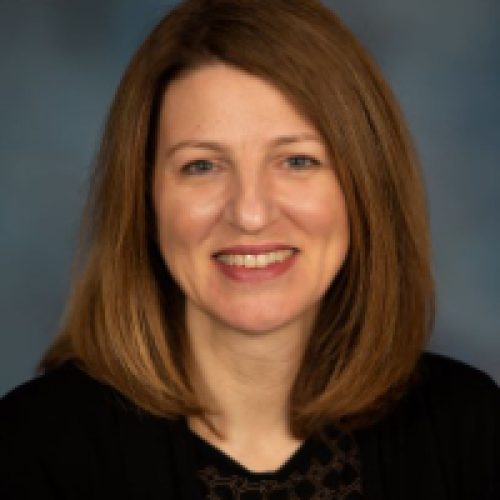
Human Resources Generalist
tthomas@actspwc.org
As Human Resources Director at ACTS, Tania leads HR operations in support of the organization’s mission to assist individuals and families in crisis. She manages employee relations, benefits, and policy development, ensuring that HR strategies reflect ACTS’ commitment to equity, inclusion, and compassionate service.
Fifty years ago, ACTS’ founders began by addressing the most basic human needs of food and shelter. They established Prince William County’s first food bank, set up a used furniture distribution system, and developed a homeless shelter in local churches. From these beginnings grew the Hunger Prevention Center, utility assistance program, two homeless shelters, and a permanent housing program. Services now also include comprehensive prevention and intervention programs to address domestic violence, sexual abuse and assault, and a 24-hour anonymous crisis telephone service.